Access Self Storage Blog
The Dos and Don’ts of Storing Wine at Home
Not all wines are meant to be enjoyed right away. For many collectors, a bottle represents both a cherished memory and a valuable investment that deserves proper care and attention....
Storage Tips
Not all wines are meant to be enjoyed right away. For many collectors, a bottle represents both a cherished memory and a valuable investment that deserves proper care and attention. One of the most common mistakes is assuming any shelf or cabinet will suffice. Temperature, light, and humidity all impact how wine ages and develops its flavor.
If you want to preserve the flavor and value of your collection, it’s worth learning the best practices and what to avoid when storing wine at home or in a wine storage facility.
Common Mistakes To Avoid When Storing Wine
A few small missteps can significantly affect the taste of your wine later. Here are some of the most common mistakes to avoid:
- Storing bottles upright. When wine is stored upright for extended periods, the cork can dry out, allowing air to enter and causing oxidation. Always store bottles on their sides to keep the cork moist and airtight.
- Keeping bottles in bright or warm spaces. Kitchens and sunny rooms may seem convenient, but exposure to light and fluctuating temperatures can harm wine over time. Direct sunlight and heat accelerate chemical reactions that dull its flavor and aroma.
- Ignoring vibrations. Placing bottles near speakers or refrigerators can disturb the sediment inside and affect how the wine matures. Keep bottles in a stable, quiet area where they can rest undisturbed.
- Forgetting humidity. Extremely dry air can cause corks to crack, while excessive moisture can encourage mold growth. The ideal humidity range is around 60%, which helps protect both the cork and the label.
Ideal Conditions for Wine Storage at Home

The right environment helps wine maintain its quality and flavor over time. One of the most important factors is wine storage temperature, ideally around 55° F. More than hitting an exact number, the key is maintaining a consistent temperature. Fluctuations can cause the liquid to expand and contract, potentially pushing air through the cork and damaging the wine.
If your home tends to get too warm or too cold, consider setting up a small wine cooler or finding a quiet corner away from appliances that produce heat.
Collectors with larger or more delicate collections often opt for a climate-controlled storage unit to maintain stable conditions and protect their investment. Understanding why climate-controlled storage matters can also help you maintain ideal conditions year-round while preserving the flavor and quality of every bottle.
How To Store Wine After Opening It
Once a bottle is opened, air becomes the biggest threat to its freshness. While wine begins to change almost immediately after being uncorked, you can still enjoy it over the next few days by taking a few simple steps:
- Seal the bottle tightly. Use the original cork or a vacuum stopper to limit air exposure and slow oxidation.
- Keep it cool. Refrigerating the bottle helps preserve flavor for both red and white wine. Just let red wine warm slightly before serving.
- Use the right cap for sparkling wine. A specialized seal keeps the bubbles intact and prevents carbonation loss.
- Handle open bottles carefully. Maintain a steady temperature and minimize unnecessary movement to protect the wine, as careful transport and storage are crucial components of safely handling and storing your wine collection.
Most wines taste best within three to five days of opening, but keeping them properly sealed and stored can help preserve flavor and aroma until the last glass.
When To Consider a Wine Storage Facility
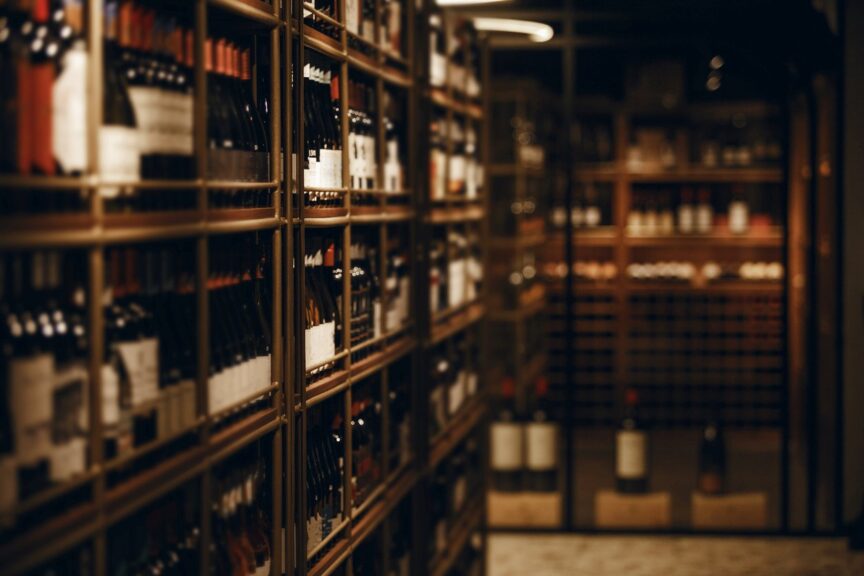
Even with the best setup at home, there are times when your collection needs more than a closet or small cooler can provide. A wine storage facility provides the consistency your bottles need, maintaining a balanced temperature and humidity to help them age properly, while offering features such as stable shelving and controlled access for added protection.
These spaces are especially helpful if you are running out of storage space, planning a move, or simply want long-term security for your rare vintages. When deciding on the right space, explore different layouts and sizes through the self storage unit types page to find a setup that fits your collection’s needs.
Self Storage Considerations for Wine
When using a self storage unit for your wine collection, it helps to think beyond temperature control. The layout, security, and accessibility of the storage facility all play an important role in keeping your bottles safe and easy to manage.
Choose a location that offers reliable access control, stable shelving, and clean surroundings to minimize vibration and dust. Self storage unit security features also help you confidently tuck away your collection. If you plan to check your bottles frequently, look for storage units with convenient access hours and easy parking nearby.
Taking time to evaluate these details makes it easier to store your wine with confidence and maintain its quality over time.
Store Your Collection With Access Self Storage
Storing wine at home is a great way to keep bottles close and ready to enjoy, but as your collection grows, you might need more controlled space. At Access Self Storage, we offer clean, climate-controlled storage units that extend the same care and consistency you aim for at home.
Our Branchburg facility is designed to maintain balanced temperature and humidity, helping your bottles age properly over time. When home storage no longer meets your needs, give us a call to explore the right storage unit for your wine collection.
Other Articles for You

Navigating the Challenges of Rising Economic Costs
Groceries are more expensive than they used to be. Home prices are significantly higher than they were a few years ago. Automotive prices are up, insurance rates are up, and…
Read
How to Find a Job in a New City During a Last-Minute Move
Depending on the circumstances, relocating for your career might be anything from thrilling to terrifying. And in the wake of the current coronavirus pandemic, job security isn’t what it once was—leaving millions of employees wondering what’s next. Luckily, technology can make relocating easier than ever. Skype and LinkedIn are just some of the tools that simplify finding a new job across the country. With storage units in Plainfield, NJ, and other communities around the U.S., the Access Self Storage team has met plenty of transplants. Following some basic job hunting tips can make forging your own new career path as pleasant and convenient as possible.
Read
One Trip Wonder: How to Efficiently Use a Moving Truck
Moving may feel like a hassle, but it doesn't have to stress you out completely. Packing, moving, and then unpacking isn't something that anyone looks forward to, but it's made a little easier when the process is efficient from the start. Whether you're moving to Little Ferry, NJ or relocating somewhere else, it pays to have a good moving truck – but you won’t have to. Access Self Storage is here with a few moving tips and a free truck to get you started.
Read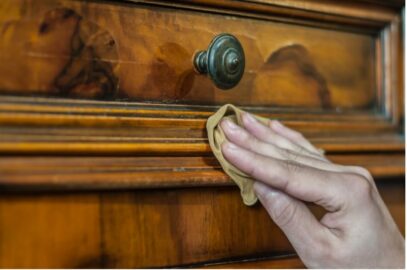
Tips for Storing Your Favorite Furniture
Whether you have an antique dresser or a modern table, it's important to protect your furniture while it's in a storage unit. Clifton, NJ, has extreme temperature changes from winter to summer, which can affect your furniture if it's not stored properly. Keep the following in mind when you're storing your furniture for months at a time.
Read